

How to transport CAT style J300?
Dec 18, 2025
As a supplier of CAT style J300 equipment, I've encountered numerous inquiries about the proper transportation methods for this machinery. In this blog post, I'll share comprehensive insights and guidelines on how to transport CAT style J300 effectively, ensuring its safety and integrity throughout the journey.
Understanding the CAT Style J300
Before delving into the transportation process, it's crucial to understand the CAT style J300. This equipment is known for its robust construction and high - performance capabilities, often used in various heavy - duty industries such as construction, mining, and forestry. The J300 typically has a significant weight and dimensions, which directly influence the transportation approach.
Pre - transportation Preparations
Inspection
Thoroughly inspect the CAT style J300 before transportation. Check for any loose parts, damages, or leaks. Ensure that all the components are securely fastened. This inspection helps in identifying potential issues that could worsen during transit and allows for timely repairs.
Documentation
Gather all the necessary documentation. This includes the equipment's manual, warranty information, and any permits required for transportation. Different regions may have specific regulations regarding the movement of heavy machinery, so it's essential to be well - informed and compliant.
Cleaning
Clean the CAT style J300 to remove any dirt, debris, or excess materials. A clean machine is easier to handle and inspect during loading and unloading. It also helps in preventing the spread of contaminants to the transportation vehicle and other equipment.
Choosing the Right Transportation Method
Trucking
Trucking is one of the most common methods for transporting CAT style J300. When choosing a trucking company, consider their experience in transporting heavy equipment. Look for a company that has the appropriate trailers and safety features. Flatbed trailers are often a good choice as they provide a stable platform for the J300.
The size and weight of the CAT style J300 will determine the type of truck required. For larger models, a heavy - duty tractor - trailer combination may be necessary. Ensure that the truck's weight capacity exceeds the weight of the J300 to avoid overloading, which can lead to safety hazards and legal issues.
Rail Transport
Rail transport can be a cost - effective option for long - distance transportation. Railroads are designed to handle heavy loads and can offer a smooth ride, reducing the risk of damage to the equipment. However, rail transport requires proper coordination for loading and unloading at the rail yards. Specialized equipment may be needed to transfer the J300 from the truck to the railcar.
Shipping
If the CAT style J300 needs to be transported overseas, shipping is the obvious choice. Container shipping is a popular option, but the J300 may need to be disassembled to fit into standard containers. Roll - on/roll - off (Ro - Ro) shipping is another alternative, where the equipment can be driven onto the ship. This method is more suitable for equipment that can be easily maneuvered.
Loading the CAT Style J300
Securing the Equipment
Once the transportation vehicle is selected, it's time to load the CAT style J300. Use appropriate lifting equipment such as cranes or forklifts to lift the J300 onto the trailer or railcar. Ensure that the lifting points on the J300 are correctly identified and used to prevent damage during lifting.
After loading, secure the CAT style J300 firmly to the transportation vehicle. Use high - strength straps, chains, or cables to prevent any movement during transit. Place the straps or chains in strategic locations to distribute the weight evenly and avoid stress on specific parts of the J300.
Protecting the Equipment
To protect the CAT style J300 from scratches, dents, and other damages, use protective materials such as foam padding, rubber mats, or tarps. Cover the exposed parts of the J300 to shield them from the elements and potential impacts.

During Transportation
Monitoring
If possible, install tracking devices on the CAT style J300 or the transportation vehicle. This allows you to monitor the location and condition of the equipment in real - time. Regularly check the tracking information to ensure that the transportation is progressing as planned.
Route Planning
Plan the transportation route carefully. Avoid roads with low bridges, narrow passages, or weight restrictions. Consider the traffic conditions and potential hazards along the way. If the transportation is taking place over a long distance, plan for rest stops and fueling stations.
Unloading and Final Checks
Unloading Process
When the CAT style J300 reaches its destination, use the same careful approach for unloading as for loading. Follow the reverse procedure of the loading process, ensuring that the equipment is safely lowered to the ground.
Final Inspection
After unloading, conduct a final inspection of the CAT style J300. Check for any new damages or issues that may have occurred during transportation. Compare the condition of the equipment with the pre - transportation inspection results.
Related Products
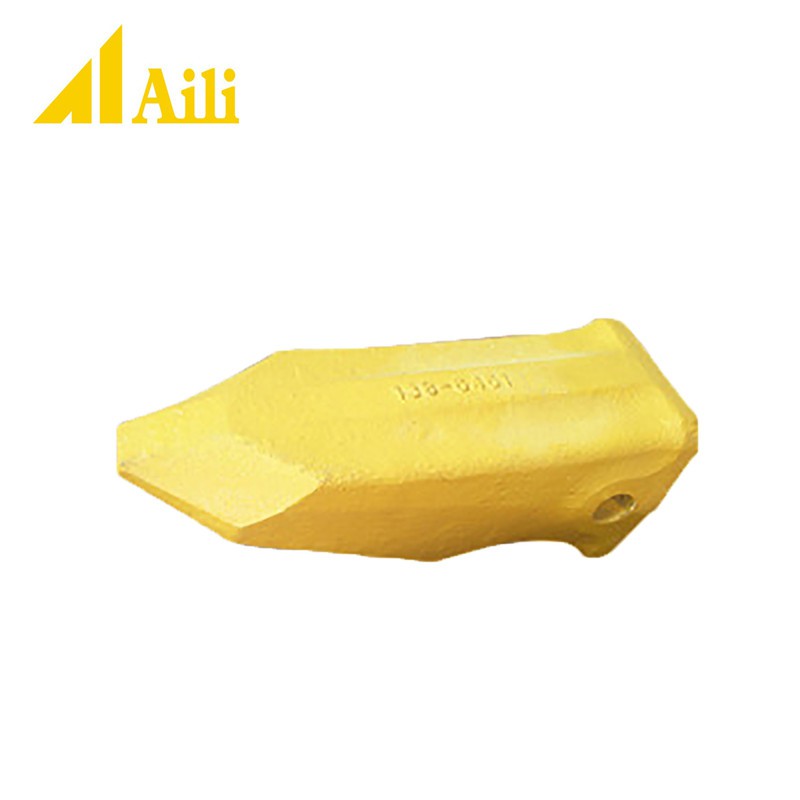
If you are also in need of related parts for your CAT style J300, we offer a range of high - quality products. For example, you can check out our 135 - 9300 HD Rock Chisel Teeth, 138 - 6451 HD Rock Chisel Teeth, and 2713 - 9037 Bucket Teeth Vertical Adapter For DH280. These parts are designed to enhance the performance and durability of your equipment.
Contact for Purchase and Consultation
If you have any questions about transporting the CAT style J300 or are interested in purchasing our products, feel free to reach out. We are more than happy to assist you with your needs and provide professional advice.
References
- "Heavy Equipment Transportation Handbook", Industry Publication
- "Safety Guidelines for Transporting Construction Machinery", Government - issued Document
- Manufacturer's Manual for CAT Style J300