

How to select the appropriate digging tooth for a specific job?
Dec 18, 2025
Selecting the appropriate digging tooth for a specific job is crucial for efficiency, cost - effectiveness, and overall performance. As a digging tooth supplier, I've seen firsthand how the right choice can make or break a project. In this blog, I'll share some tips on how to pick the ideal digging tooth for your needs.
Understanding the Job Requirements
The first step in choosing the right digging tooth is to fully understand the nature of the job. Different tasks require different types of teeth. For example, if you're working on a soft soil project, like landscaping a garden or digging a shallow foundation for a small shed, you don't need a super - heavy - duty tooth. Soft soil can be easily penetrated, so a tooth with a more general - purpose design will do the trick.
On the other hand, if you're dealing with hard rock excavation, like mining or quarrying, you'll need a tooth that can withstand high impact and abrasion. These jobs require a tooth with a tough carbide tip or a high - strength alloy body.
Analyzing the Material
The material you'll be digging through is a key factor. Let's break it down by common materials:
Soil
Soil can range from sandy to clayey. Sandy soil is loose and easy to dig, so a standard digging tooth with a pointed tip can work well. It allows for quick penetration and efficient removal of the soil. Clayey soil, however, is more sticky and cohesive. A tooth with a wider and more rounded tip might be better as it can break through the clay more effectively.

Rock
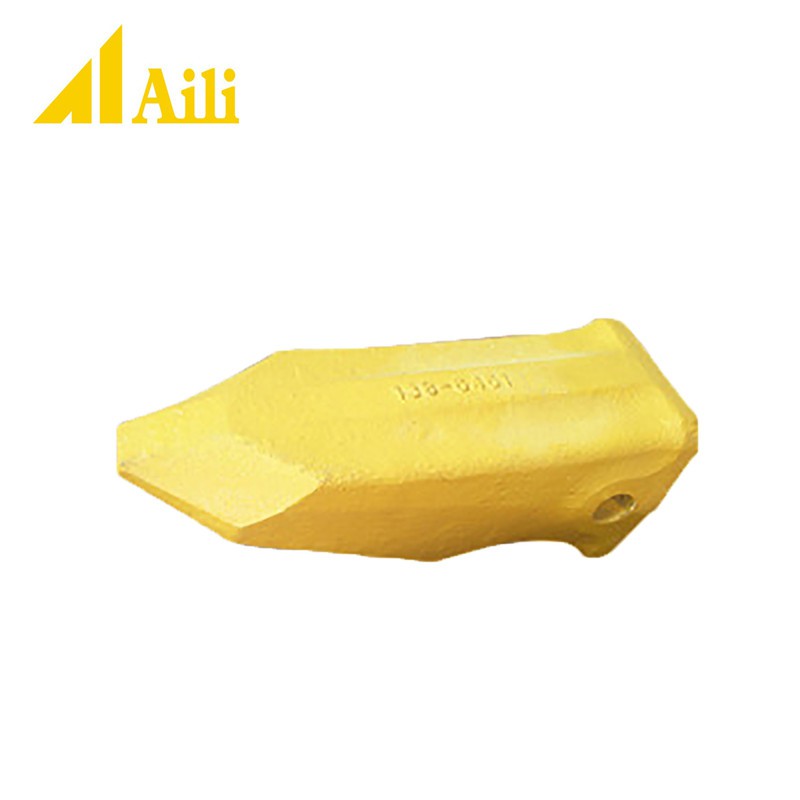
Rocks come in different hardness levels. Soft rocks like limestone can be tackled with a tooth that has a moderately hard tip. But for harder rocks such as granite, you'll need a heavy - duty tooth. For instance, the 138 - 6451 HD Rock Chisel Teeth is designed specifically for heavy rock excavation. Its chisel - shaped tip can break through the toughest rock formations with ease.
Gravel and Cobbles
Gravel and cobbles are abrasive materials. A tooth with a wear - resistant coating or made from a tough alloy is essential. A tooth that can resist the constant rubbing and impact from the gravel and cobbles will last longer, saving you money in the long run.
Considering the Equipment
The digging equipment you're using also plays a role in tooth selection. Different machines have different specifications, such as the size of the bucket and the hydraulic power.
For larger excavators, you might need bigger and stronger teeth. They can handle the higher force exerted by the machine. Smaller machines, like mini - excavators, require smaller teeth that are proportionate to their size and power.
Also, the type of attachment matters. Some buckets are designed for specific tasks, like digging, grading, or trenching. Make sure the tooth you choose is compatible with the attachment you're using.
Evaluating Tooth Design
There are several tooth designs available, each with its own advantages:
Pointed Teeth
Pointed teeth are great for penetrating hard or compacted materials. They can easily break through the surface and start the digging process. They're commonly used in rock excavation and hard - packed soil jobs.
Chisel Teeth
As mentioned earlier, chisel teeth are ideal for heavy - duty rock work. Their flat and sharp edge can chip away at the rock, making it easier to break large chunks into smaller pieces.
Spade Teeth
Spade teeth have a wider and flatter tip. They're good for digging in soft to medium - hard soils. They can move a large volume of soil quickly and are often used in landscaping and general earthmoving jobs.
Compatibility and Quality
When selecting a digging tooth, it's important to ensure compatibility with your existing equipment. Check the tooth's specifications, such as the shank size and the mounting system. A tooth that doesn't fit properly can cause problems, like reduced performance and even damage to the equipment.
Quality is also non - negotiable. High - quality teeth are made from durable materials and are heat - treated for strength. They'll last longer, reducing the need for frequent replacements. For example, our J460 E330 Style Casting Tooth For 9W8452RCX is made with precision and high - grade materials, ensuring long - lasting performance.
Cost - Effectiveness
While quality is important, cost - effectiveness is also a major consideration. You don't want to overspend on a tooth that's too heavy - duty for your job, but you also don't want to go for the cheapest option that will wear out quickly.
Calculate the cost per hour of using a particular tooth. Consider the initial purchase price, the lifespan of the tooth, and the time it takes to replace it. A slightly more expensive tooth that lasts longer and works more efficiently might end up being the more cost - effective choice in the long run.
Brand and Reputation
Choosing a reputable brand can give you peace of mind. Brands with a good reputation are more likely to produce high - quality products. They also usually offer better customer support, such as technical advice and after - sales service. Our Tiger Long Teeth 9W8552TL - YZ is well - known in the industry for its reliability and performance.
Conclusion
Selecting the appropriate digging tooth for a specific job involves a careful analysis of the job requirements, the material you're digging, the equipment, tooth design, compatibility, quality, cost - effectiveness, and brand reputation. By taking all these factors into account, you can make an informed decision that will improve your project's efficiency and save you money.
If you're still unsure about which digging tooth is right for your job, don't hesitate to reach out. We're here to help you find the perfect solution for your specific needs. Contact us to start a discussion about your procurement requirements, and let's work together to get the job done right.
References
- Construction Equipment Handbook
- Mining and Quarrying Industry Reports
- Manufacturer's Product Specifications