

What is the impact of digging teeth on the fuel consumption of the equipment?
Aug 13, 2025
In the realm of heavy - duty construction and mining operations, the significance of digging teeth cannot be overstated. These small yet powerful components play a crucial role in the efficiency and performance of equipment such as excavators, loaders, and bulldozers. One key aspect that is often overlooked but has a substantial impact on the overall operational cost is the relationship between digging teeth and equipment fuel consumption. As a dedicated digging tooth supplier, I have witnessed firsthand how the right choice of digging teeth can lead to significant savings in fuel costs.
The Mechanism of Digging Teeth and Fuel Consumption
To understand the impact of digging teeth on fuel consumption, we first need to delve into the basic working principle of excavation equipment. When an excavator or a similar machine is in operation, the digging teeth are the first point of contact with the material being excavated, whether it's soil, rock, or ore. The design, shape, and material of the digging teeth determine how effectively they can penetrate and break up the material.
Inefficient digging teeth require more force to penetrate the material. This increased force demand means that the equipment's engine has to work harder. The engine burns more fuel to generate the necessary power to drive the digging process. For example, if the digging teeth are dull or have a poor design, they may struggle to cut through the material cleanly. As a result, the machine has to make multiple passes or apply excessive pressure, which directly translates into higher fuel consumption.
On the other hand, high - quality digging teeth are designed to optimize the digging process. They have sharp edges and a well - engineered shape that allows them to penetrate the material with minimal resistance. This reduces the load on the equipment's engine, as less power is needed to perform the same amount of work. Consequently, the engine consumes less fuel, leading to cost savings for the operator.
Factors Affecting the Impact of Digging Teeth on Fuel Consumption
1. Tooth Design
The design of digging teeth is a critical factor. There are different types of digging teeth, such as penetration teeth, rock bucket tips, and abrasion teeth, each designed for specific applications. For instance, the 1U3209 Penetration Tooth is specifically engineered to penetrate hard materials easily. Its pointed tip and streamlined shape reduce the resistance when entering the material, enabling the equipment to dig with less effort and thus consume less fuel.
In contrast, a poorly designed tooth may have a blunt or irregular shape, which can cause the equipment to waste energy trying to break through the material. This inefficiency leads to increased fuel consumption over time.

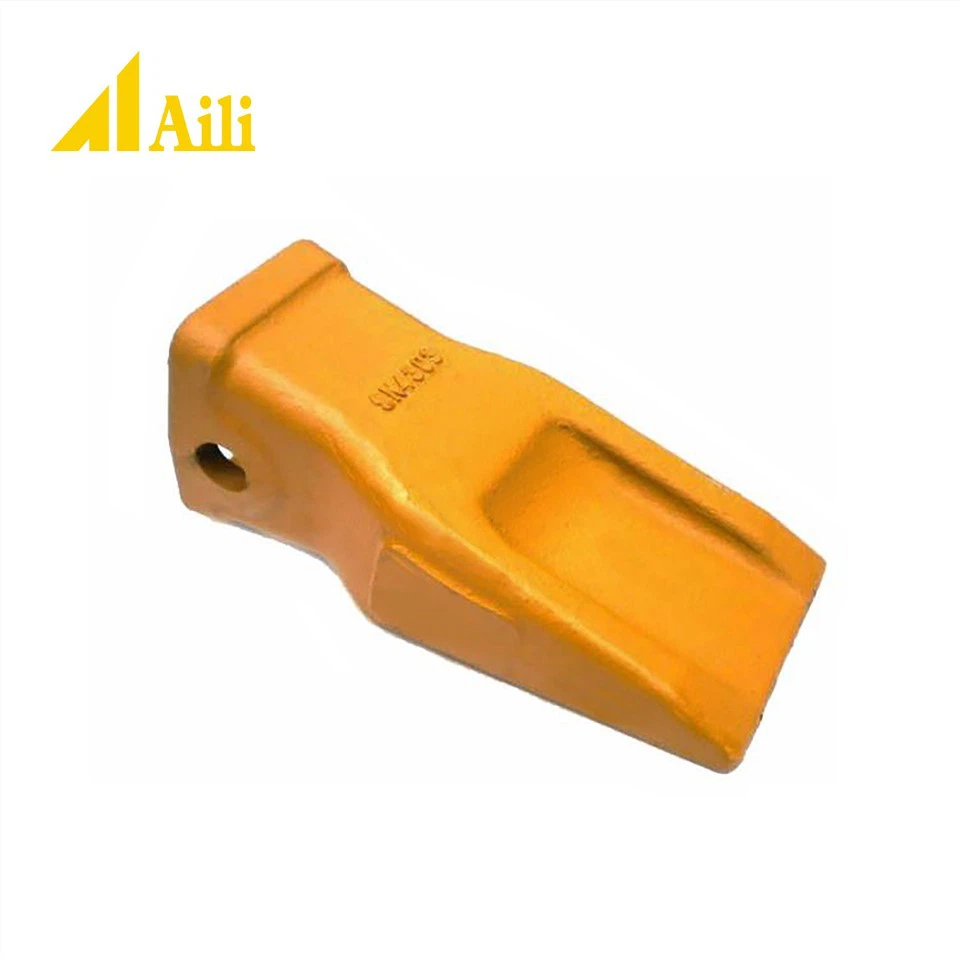
2. Tooth Material
The material of the digging teeth also affects their performance and, consequently, fuel consumption. High - quality materials, such as special alloys and heat - treated steels, offer better wear resistance and strength. Teeth made from these materials can maintain their sharpness and shape for a longer period.
For example, the 6Y3222RC Forged Rock Bucket Tip is forged from a high - strength alloy. This material allows the tooth to withstand the high - stress environment of rock excavation. Since it doesn't wear down quickly, it can continue to penetrate the rock effectively without requiring the equipment to use extra power. As a result, the fuel consumption remains relatively low compared to using teeth made from inferior materials.
3. Tooth Wear
As digging teeth wear down during use, their performance deteriorates. Worn - out teeth have a reduced ability to penetrate and break up the material. The equipment then has to work harder to achieve the same level of excavation, leading to increased fuel consumption.
Regular inspection and replacement of worn teeth are essential. For example, the 9N4303HD Abrasion Teeth are designed to resist abrasion, but even they will eventually wear out. By replacing them at the right time, operators can ensure that the equipment continues to operate efficiently and consume less fuel.
Real - World Examples of Fuel Savings with the Right Digging Teeth
Let's consider a large - scale mining operation. In a typical scenario, an excavator is used to dig ore from a mine. If the excavator is equipped with low - quality digging teeth, it may consume a significant amount of fuel due to the inefficiency of the digging process. However, when the operator switches to high - performance digging teeth, such as the ones we supply, the results can be remarkable.
In one case, a mining company reported a 15% reduction in fuel consumption after replacing their old digging teeth with our specially designed penetration teeth. This reduction was achieved because the new teeth were able to penetrate the ore more easily, reducing the load on the excavator's engine. Over the course of a year, this translated into substantial cost savings for the company.
Another example comes from a construction site. A contractor was using a loader to move large amounts of soil. After upgrading to our abrasion - resistant digging teeth, they noticed a 12% decrease in fuel consumption. The teeth maintained their sharpness, allowing the loader to scoop up the soil more efficiently, which in turn reduced the engine's workload.
The Role of a Reliable Digging Tooth Supplier
As a digging tooth supplier, our role is not just to provide high - quality products but also to offer technical support and advice. We understand that different applications require different types of digging teeth. We work closely with our customers to understand their specific needs and recommend the most suitable teeth for their equipment.
We also ensure that our teeth are manufactured to the highest standards. We use advanced production techniques and quality control measures to guarantee the performance and durability of our products. By providing reliable digging teeth, we help our customers optimize the performance of their equipment and reduce fuel consumption.
Conclusion and Call to Action
In conclusion, the choice of digging teeth has a profound impact on the fuel consumption of equipment. By selecting the right teeth, operators can significantly reduce their fuel costs, improve the efficiency of their operations, and increase the lifespan of their equipment.
If you are looking to optimize your equipment's performance and save on fuel costs, we are here to help. As a trusted digging tooth supplier, we offer a wide range of high - quality digging teeth, including the 1U3209 Penetration Tooth, 6Y3222RC Forged Rock Bucket Tip, and 9N4303HD Abrasion Teeth. Contact us today to discuss your specific requirements and explore how our products can benefit your operations.
References
- "Principles of Heavy Equipment Operation", McGraw - Hill, 2018
- "Advanced Materials for Mining and Construction", Elsevier, 2020
- Industry reports on construction and mining equipment efficiency, various sources.