

What is the hardness of digging teeth?
May 19, 2025
Hey there! As a supplier of digging teeth, I often get asked about the hardness of these essential tools. So, let's dive right into it and explore what the hardness of digging teeth really means.
First off, hardness in digging teeth is super important. It's what allows these teeth to withstand the tough conditions they're exposed to. You know, when you're out there on a construction site or a mining operation, the digging teeth are constantly in contact with all sorts of materials - rocks, soil, and sometimes even more abrasive stuff. If the teeth aren't hard enough, they'll wear out quickly, and that means more frequent replacements, which can be a real pain in the neck and a hit to your wallet.
The hardness of digging teeth is usually measured using the Rockwell scale. It's a common way to quantify how resistant a material is to indentation. A higher Rockwell hardness number means the material is harder. For digging teeth, we're looking at a hardness that can handle the heavy-duty work. Typically, good-quality digging teeth have a Rockwell hardness in the range of around 40 - 50 HRC (Rockwell C scale). This hardness level gives them the strength to break through tough materials without chipping or deforming too easily.
Now, what affects the hardness of these teeth? Well, the material they're made from is a big factor. Most digging teeth are made from high - strength steel alloys. These alloys are specifically designed to have the right combination of hardness and toughness. The heat treatment process also plays a crucial role. Through processes like quenching and tempering, the steel can be manipulated to achieve the desired hardness. Quenching involves rapidly cooling the heated steel, which helps to form a hard martensitic structure. Tempering then follows to relieve the internal stresses and make the teeth more ductile while still maintaining a good level of hardness.
Let's talk about some of the different types of digging teeth we offer. We have the [Cat Series Twin Tiger Long Tooth J550/138 - 6558(PN:1U3552WTL)](/bucket - teeth/caterpillar - bucket - teeth/cat - series - twin - tiger - long - tooth - j550 - 138.html). These teeth are known for their excellent hardness and durability. They're designed to take on some of the toughest digging jobs. The high - quality steel alloy they're made from, combined with a precise heat treatment, gives them a hardness that can last through long hours of heavy - duty use.
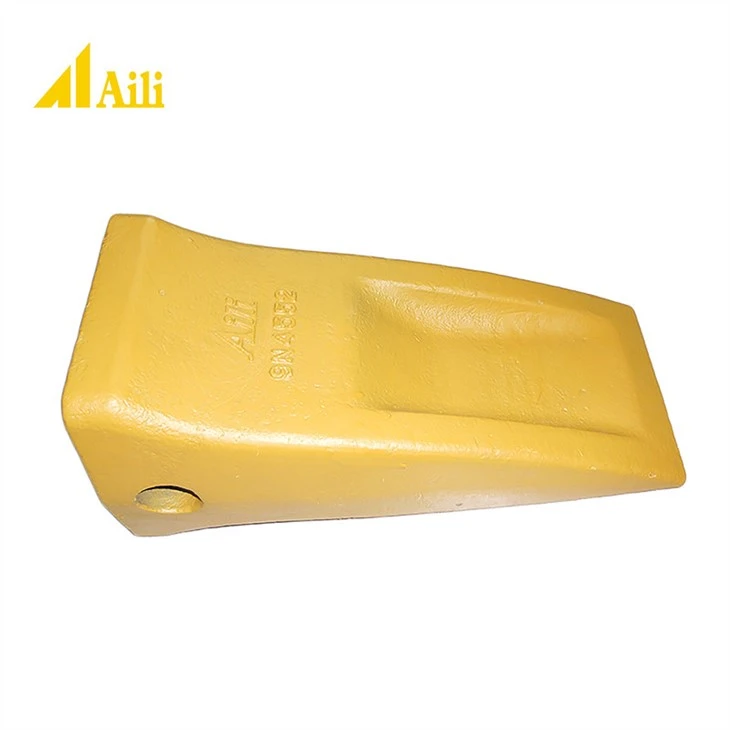
Another great option is the [9N4552 Long Tooth](/bucket - teeth/caterpillar - bucket - teeth/9n4552 - long - tooth.html). These teeth are popular among contractors because of their balance between hardness and flexibility. They can dig through a variety of materials, from soft soil to medium - hard rocks, without losing their edge too quickly. The hardness of these teeth ensures that they maintain their shape and performance over time.
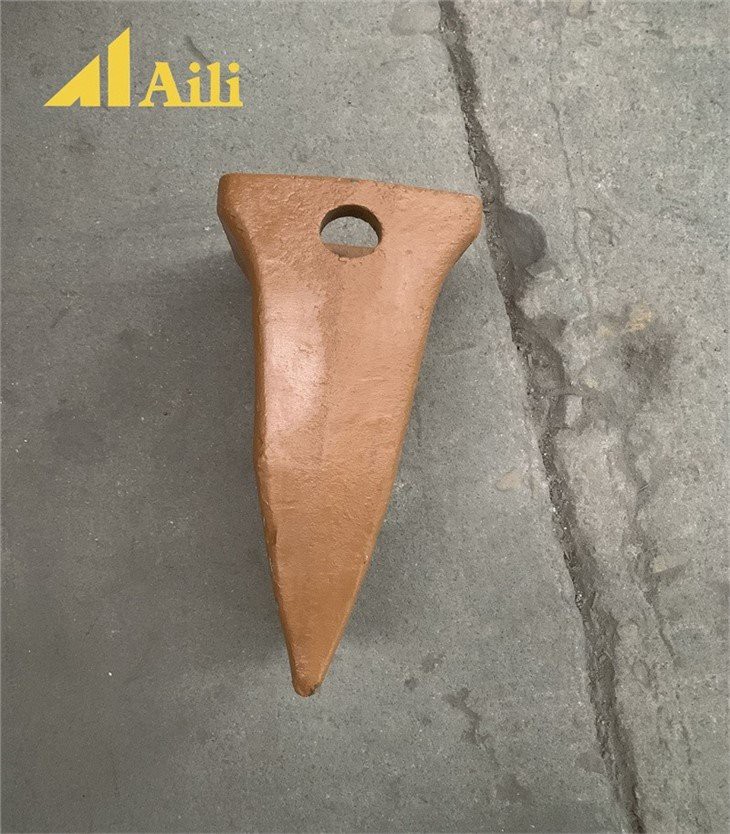
And then there's the [9W8552TL Single Tiger Teeth Tips](/bucket - teeth/caterpillar - bucket - teeth/9w8552tl - single - tiger - teeth - tips.html). These tips are engineered to be extremely hard. They're often used in applications where the digging conditions are particularly harsh, like in large - scale mining operations. The high hardness allows them to penetrate hard rocks and other abrasive materials with ease.
When you're choosing digging teeth, it's not just about the hardness. You also need to consider the shape and design of the teeth. Different shapes are better suited for different types of digging. For example, a pointed tooth is great for breaking through hard materials, while a more rounded tooth might be better for scooping up loose soil. But hardness is still a key factor. A tooth that's too soft will wear out fast, and one that's too hard might be brittle and prone to cracking.

In addition to the material and heat treatment, the manufacturing process also affects the overall quality and hardness of the digging teeth. At our facility, we use state - of - the - art manufacturing techniques. We have strict quality control measures in place to ensure that every single tooth meets our high standards. We test each batch of teeth to make sure they have the right hardness and other mechanical properties.
So, why should you choose our digging teeth? Well, we've been in the business for a long time, and we know what it takes to make top - quality teeth. Our teeth are made from the best materials and are heat - treated to perfection. We offer a wide range of options to suit different digging needs. Whether you're working on a small construction project or a large - scale mining operation, we have the right teeth for you.
If you're in the market for high - quality digging teeth, don't hesitate to get in touch. We're always happy to discuss your specific requirements and help you find the perfect teeth for your job. Whether you need just a few teeth for a quick repair or a large order for a big project, we can accommodate you.
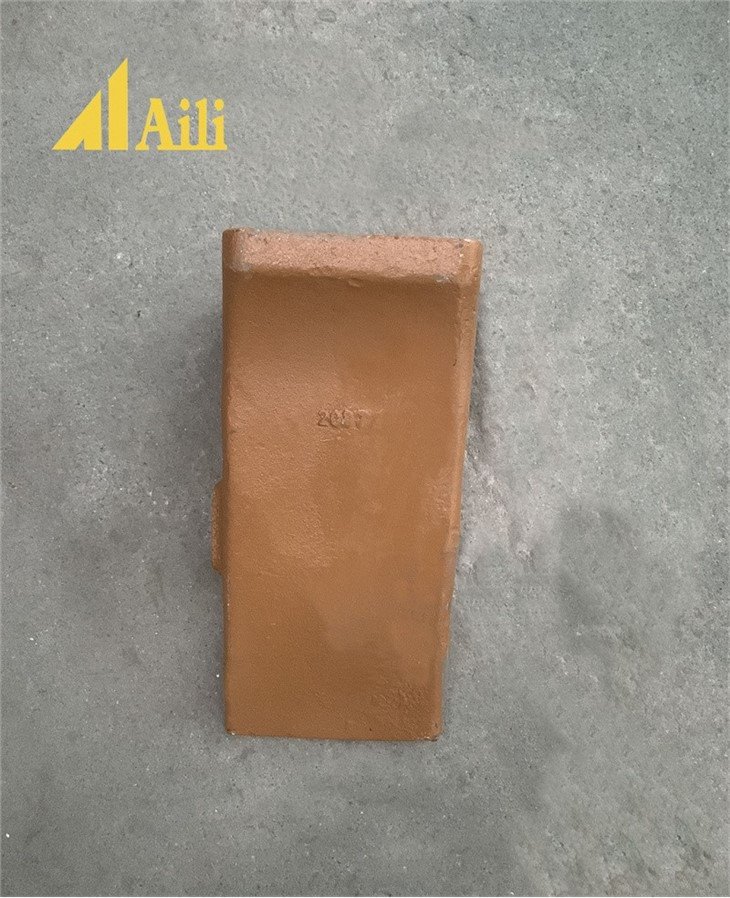
In conclusion, the hardness of digging teeth is a critical factor in their performance and durability. By understanding what affects hardness and choosing the right teeth for your application, you can save time and money in the long run. So, if you want to get the most out of your digging equipment, give our digging teeth a try. Reach out to us, and let's start a conversation about how we can meet your needs.
References:
- "Materials Science and Engineering: An Introduction" by William D. Callister Jr. and David G. Rethwisch
- Industry reports on construction and mining equipment components