

What is the cutting edge angle of dirt bucket teeth?
Dec 26, 2025
When it comes to the heavy - duty work of excavators and loaders, dirt bucket teeth are indispensable components. The cutting edge angle of dirt bucket teeth plays a crucial role in determining their performance and efficiency. As a dirt bucket tooth supplier, I have in - depth knowledge about this topic and would like to share some valuable insights in this blog.
Understanding the Cutting Edge Angle
The cutting edge angle of dirt bucket teeth is the angle formed at the tip of the tooth where it first comes into contact with the material being excavated. It is a fundamental geometric parameter that directly affects how the tooth penetrates the soil, rock, or any other debris. A proper cutting edge angle can significantly enhance the digging ability, reduce the power consumption of the equipment, and extend the service life of the bucket teeth.
Factors Affecting the Optimal Cutting Edge Angle
Material of the Excavated Substance
The type of material being dug is one of the most important factors influencing the ideal cutting edge angle. For soft materials like sand, loam, or clay, a relatively smaller cutting edge angle can be used. A smaller angle, typically in the range of 20 - 30 degrees, allows the tooth to easily penetrate the soft ground, reducing the resistance during the digging process. This results in less wear on the tooth and more efficient digging.
On the other hand, when dealing with hard materials such as gravel, rock, or frozen soil, a larger cutting edge angle is required. An angle between 35 - 45 degrees provides more strength and durability at the tip of the tooth. This helps the tooth to withstand the high impact and abrasion forces generated when breaking through the hard surfaces. For example, if we use a tooth with a small cutting edge angle on hard rocks, the tooth tip may quickly wear out or even break, which will not only reduce the digging efficiency but also increase the replacement frequency of the bucket teeth.
Operating Environment
The operating environment also has a significant impact on the choice of the cutting edge angle. In wet or muddy conditions, the soil has a higher viscosity, and a different cutting edge angle may be more appropriate. A slightly larger angle can help prevent the soil from sticking to the tooth, as it provides a more efficient self - cleaning effect.
In contrast, in dry and sandy environments, a smaller angle might be better for easy penetration. Moreover, the presence of large boulders or irregularly shaped debris in the working area can influence the cutting edge angle selection. In such cases, a sturdier tooth with a larger cutting edge angle is preferred to handle the unexpected impacts.
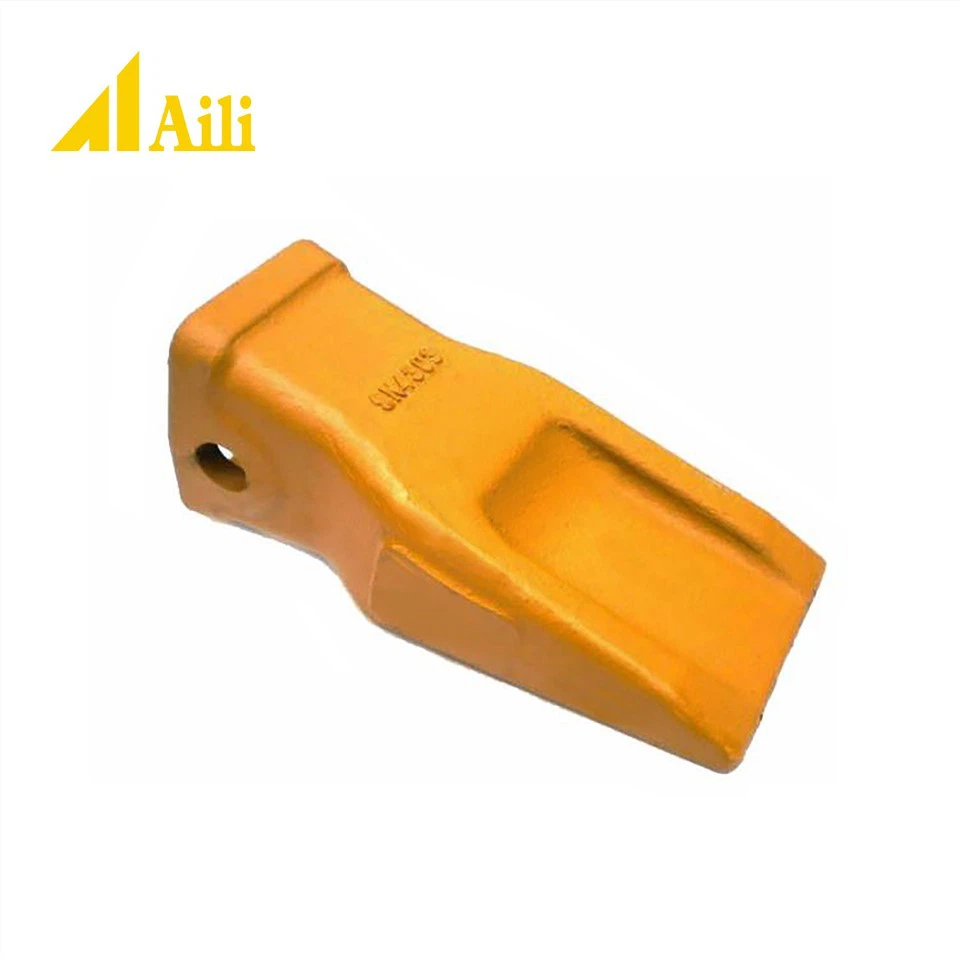

Equipment Power and Design
The power of the excavator or loader and its design characteristics also need to be considered. A more powerful machine can handle teeth with a larger cutting edge angle, as it has the ability to generate sufficient force to drive the tooth into the material. In some modern excavators, the bucket design is optimized to work with specific cutting edge angles. For instance, some bucket designs are tailored to utilize teeth with a certain range of cutting edge angles to achieve maximum digging efficiency and productivity.
Different Types of Dirt Bucket Teeth and Their Cutting Edge Angles
Abrasion Teeth
9N4303HD Abrasion Teeth are a popular choice in the industry. These teeth are designed with a well - balanced cutting edge angle, usually around 32 degrees. This angle is suitable for a variety of medium - hardness materials, such as compacted soil and small - sized gravel. The 32 - degree cutting edge angle allows for good penetration while maintaining the tooth's resistance to abrasion.
Another type of abrasion teeth is the 4T2303 Abrasion Teeth. These teeth often have a cutting edge angle of approximately 30 degrees. This slightly smaller angle makes them more effective in softer materials where easy penetration is the key. They can quickly dig into the soil, reducing the time and effort required for excavation.
Tiger Teeth
CAT Tiger Teeth 9W8452TL 1U3452TL are known for their strong - mining capabilities. They typically feature a cutting edge angle of around 40 degrees. This larger angle gives them the strength to deal with hard rocks and large - sized boulders. The design of the tiger teeth, combined with the optimal cutting edge angle, allows for powerful penetration and effective breaking of hard materials.
Importance of Selecting the Right Cutting Edge Angle
Ensuring the appropriate cutting edge angle for dirt bucket teeth is of utmost importance for several reasons.
Efficiency and Productivity
The right cutting edge angle can significantly improve the efficiency of the excavation process. A well - chosen angle reduces the resistance faced by the tooth during digging, which means that the machine can move more material in less time. This directly translates into higher productivity on the job site, allowing contractors to complete their projects more quickly and meet their deadlines.
Cost - effectiveness
Properly selected bucket teeth with the right cutting edge angle can reduce the overall operating costs. A tooth that penetrates easily requires less power from the equipment, resulting in lower fuel consumption. Additionally, it suffers less wear and tear, which extends its service life. This means fewer replacements and lower maintenance costs in the long run.
Equipment Protection
Using bucket teeth with an incorrect cutting edge angle can put excessive stress on the equipment. If the tooth is not designed to handle the type of material being excavated, it may cause the machine to work harder than necessary. This can lead to premature wear of other components, such as the bucket, hydraulic system, and even the engine. By choosing the right cutting edge angle, we can protect the entire excavation equipment and ensure its long - term reliability.
Conclusion and Call to Action
In conclusion, the cutting edge angle of dirt bucket teeth is a critical factor that affects the performance, efficiency, and cost - effectiveness of excavation operations. As a dirt bucket tooth supplier, we understand the importance of providing high - quality teeth with the right cutting edge angles for different applications.
Whether you are working on a small - scale construction project or a large - scale mining operation, choosing the appropriate dirt bucket teeth can make a significant difference in your productivity and profitability. If you are interested in learning more about our products or need advice on selecting the right dirt bucket teeth for your specific needs, please feel free to contact us. We are more than willing to engage in procurement discussions and provide you with the best solutions for your earth - moving and excavation requirements.
References
- Smith, J. (2018). "The Science of Earth - moving Equipment Components". Construction Equipment Journal, 15(2), 45 - 52.
- Brown, A. (2019). "Optimizing Bucket Tooth Design for Different Soils". Mining and Quarrying Review, 22(3), 67 - 74.
- Johnson, K. (2020). "Impact of Cutting Edge Angles on Excavation Efficiency". Heavy Machinery Research, 18(4), 89 - 96.