

What information is displayed on the instrument panel of the caterpillar J300?
Jun 26, 2025
As a trusted supplier of the Caterpillar J300, I've had the privilege of delving deep into the intricacies of this remarkable machine. One of the most critical aspects of operating the Caterpillar J300 efficiently is understanding the information displayed on its instrument panel. In this blog post, I'll walk you through the various data points and indicators you'll find on the instrument panel, shedding light on their significance and how they contribute to the overall performance and safety of the equipment.
Engine - Related Information
The engine is the heart of the Caterpillar J300, and the instrument panel provides a wealth of information about its status. The engine temperature gauge is a vital indicator that shows the operating temperature of the engine coolant. It's crucial to keep an eye on this gauge as overheating can cause severe damage to the engine. A normal operating temperature range is typically indicated by a green zone on the gauge, while red zones signal potential problems.
Another essential engine - related parameter is the oil pressure. The oil pressure gauge measures the force at which the engine oil is circulated throughout the engine. Adequate oil pressure is necessary to lubricate the engine's moving parts and prevent excessive wear. Low oil pressure can lead to engine failure, so any drop below the normal range should be investigated immediately.
The fuel level indicator is also prominently displayed on the instrument panel. It shows the amount of fuel remaining in the tank, allowing operators to plan refueling stops and avoid running out of fuel during operation. Running out of fuel can not only disrupt work but also cause damage to the fuel system.
Hydraulic System Information
The Caterpillar J300 relies heavily on its hydraulic system to power various functions such as the loader arms and bucket operations. The instrument panel provides information about the hydraulic fluid temperature. Similar to the engine coolant temperature, the hydraulic fluid temperature should be within a specific range. High hydraulic fluid temperatures can reduce the efficiency of the hydraulic system and cause premature wear of seals and other components.
The hydraulic pressure gauges are another set of important indicators. They show the pressure in different parts of the hydraulic system, including the main pump and the cylinders. Proper hydraulic pressure is essential for smooth and efficient operation of the loader's hydraulic functions. Any abnormal pressure readings could indicate a leak, a blockage, or a malfunction in the hydraulic system.
Machine Performance Information
The speedometer on the instrument panel shows the ground speed of the Caterpillar J300. This is important for operators to maintain a safe and efficient working speed, especially when moving around a job site. Different attachments and tasks may require different speeds, and the speedometer helps operators stay within the appropriate limits.
The tachometer, on the other hand, measures the engine's rotational speed in revolutions per minute (RPM). The engine RPM affects the power output and fuel consumption of the machine. Operators can adjust the engine RPM based on the task at hand, such as when using heavy - duty attachments or during normal operation.
Safety and Warning Indicators
The instrument panel is equipped with a variety of safety and warning indicators. These include the seatbelt indicator, which reminds operators to fasten their seatbelts for safety. In addition, there are warning lights for low battery voltage, malfunctioning electrical systems, and other critical issues. When a warning light illuminates, it's essential to refer to the operator's manual to understand the problem and take appropriate action.
Additional Information and Accessories
Some Caterpillar J300 models may have additional features and information displayed on the instrument panel. For example, there could be a display for the hours of operation, which helps in scheduling maintenance. The number of operating hours is a key factor in determining when to perform routine maintenance tasks such as oil changes, filter replacements, and component inspections.
Moreover, some advanced models may have a diagnostic display that provides detailed information about the machine's systems. This can be extremely useful for technicians when troubleshooting problems. It can show error codes and other diagnostic data that help identify the root cause of issues quickly.
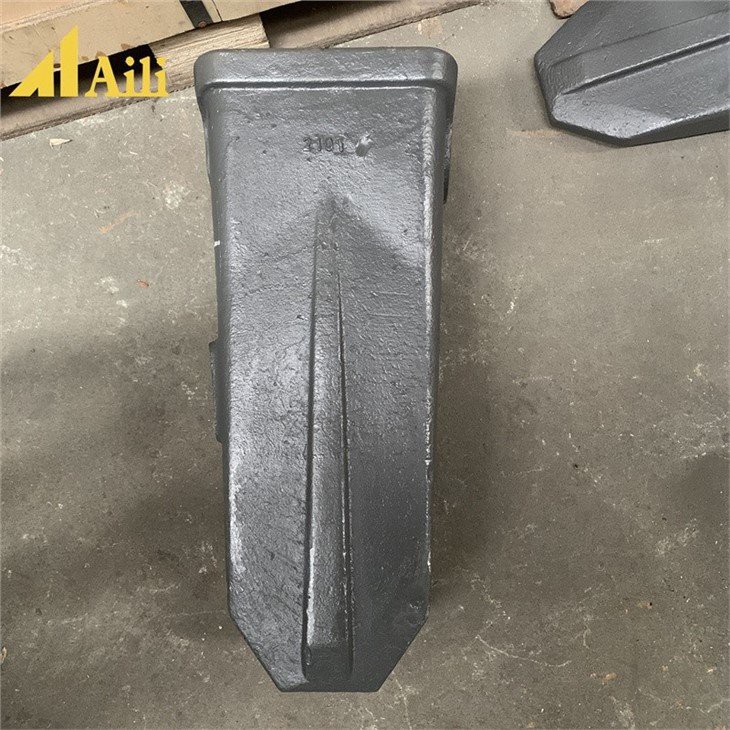
As a supplier, we also offer a range of high - quality replacement parts for the Caterpillar J300. For example, we have the 1U3202RC Rock Chisel Tooth, which is designed to withstand the rigors of heavy - duty rock - breaking applications. Our J600 E365/375 Casting Teeth For 6i6602RC are precision - cast for optimal performance, and the J200/E3202 Tiger Long Teeth For 1U3202TL offer extended wear life.

If you're interested in learning more about the Caterpillar J300, its instrument panel, or our replacement parts, we invite you to reach out to us for a procurement discussion. We're committed to providing the best products and services to meet your needs and ensure the smooth operation of your Caterpillar J300.
References
- Caterpillar J300 Operator's Manual
- Technical documentation on Caterpillar hydraulic and engine systems