

How to determine if a rock chisel tip is suitable for precision work?
Jul 16, 2025
Determining if a rock chisel tip is suitable for precision work is a crucial consideration, especially for professionals in the construction, mining, and masonry industries. As a rock chisel tip supplier, I understand the importance of providing high - quality products that meet the specific needs of precision tasks. In this blog post, I will share some key factors to help you assess whether a rock chisel tip is appropriate for precision work.
1. Material Quality
The material of the rock chisel tip is the foundation of its performance. High - carbon steel is a common choice for rock chisel tips due to its excellent hardness and durability. For precision work, the steel should have a fine - grained microstructure. This fine - grained structure allows for a sharper and more consistent cutting edge. A well - heat - treated high - carbon steel tip can maintain its shape under the stress of precision operations, reducing the need for frequent re - sharpening.
Another option is carbide - tipped rock chisels. Carbide is extremely hard and wear - resistant, making it ideal for precision work where long - lasting sharpness is required. Carbide tips can cut through hard rocks with minimal wear, ensuring a clean and accurate cut. For example, in tasks such as carving detailed stone sculptures or making precise cuts in concrete for architectural purposes, carbide - tipped rock chisels are often the top choice.
When evaluating the material quality, look for suppliers who can provide detailed information about the composition and heat - treatment process of the rock chisel tips. A reliable supplier will be transparent about the materials used and the manufacturing techniques employed to ensure high - quality products.
2. Tip Geometry
The geometry of the rock chisel tip plays a significant role in its suitability for precision work. There are several common tip shapes, each designed for different applications.
- Pointed Tips: Pointed tips are excellent for starting holes or making small, precise indentations in the rock. They can penetrate the surface easily and are useful for tasks such as marking out patterns or creating small channels. However, they may not be as efficient for wider cuts.
- Flat Tips: Flat tips are great for general chiseling and for making wide, flat cuts. They can be used to remove large sections of rock or to level surfaces. For precision work, flat tips need to have a perfectly straight edge to ensure accurate cuts.
- Chisel - Edge Tips: Chisel - edge tips are a combination of the pointed and flat tips. They have a sharp edge that can make precise cuts while also being able to remove larger amounts of material compared to pointed tips. These tips are often used in tasks such as trimming stone blocks or making precise joints.
The angle of the tip is also important. A sharper angle will result in a more precise cut but may be more prone to breakage. A more obtuse angle will be more durable but may not provide as fine a cut. For precision work, a tip with an angle between 25 and 35 degrees is often a good choice, as it balances sharpness and durability.
3. Size and Weight
The size and weight of the rock chisel tip are closely related to its performance in precision work. A smaller tip is generally more suitable for detailed and delicate tasks. It allows for greater control and can access tight spaces more easily. For example, when working on intricate stone carvings or in areas with limited access, a small - sized rock chisel tip is essential.
On the other hand, the weight of the tip affects the force required to use it. A heavier tip will deliver more power with each strike, but it may also be more difficult to control. For precision work, a lightweight tip is often preferred as it allows for more precise movements and reduces the risk of over - chiseling. However, if the rock is very hard, a slightly heavier tip may be necessary to provide enough force to make the cut.
4. Compatibility with Tools
The rock chisel tip must be compatible with the tool it will be used with. Most rock chisels are designed to fit specific types of hammers or pneumatic tools. Make sure that the tip has the correct shank size and shape to fit securely into the tool. A loose - fitting tip can cause inaccurate cuts and may even be dangerous.
When choosing a rock chisel tip, consider the power and speed of the tool. A high - powered pneumatic hammer may require a more robust tip to withstand the force of the strikes. Conversely, a lower - powered tool may work better with a lighter and more delicate tip.
5. Manufacturer Reputation
The reputation of the manufacturer is a crucial factor in determining the suitability of a rock chisel tip for precision work. A well - established manufacturer with a good track record is more likely to produce high - quality products. Look for manufacturers who have been in the industry for a long time and have positive reviews from customers.
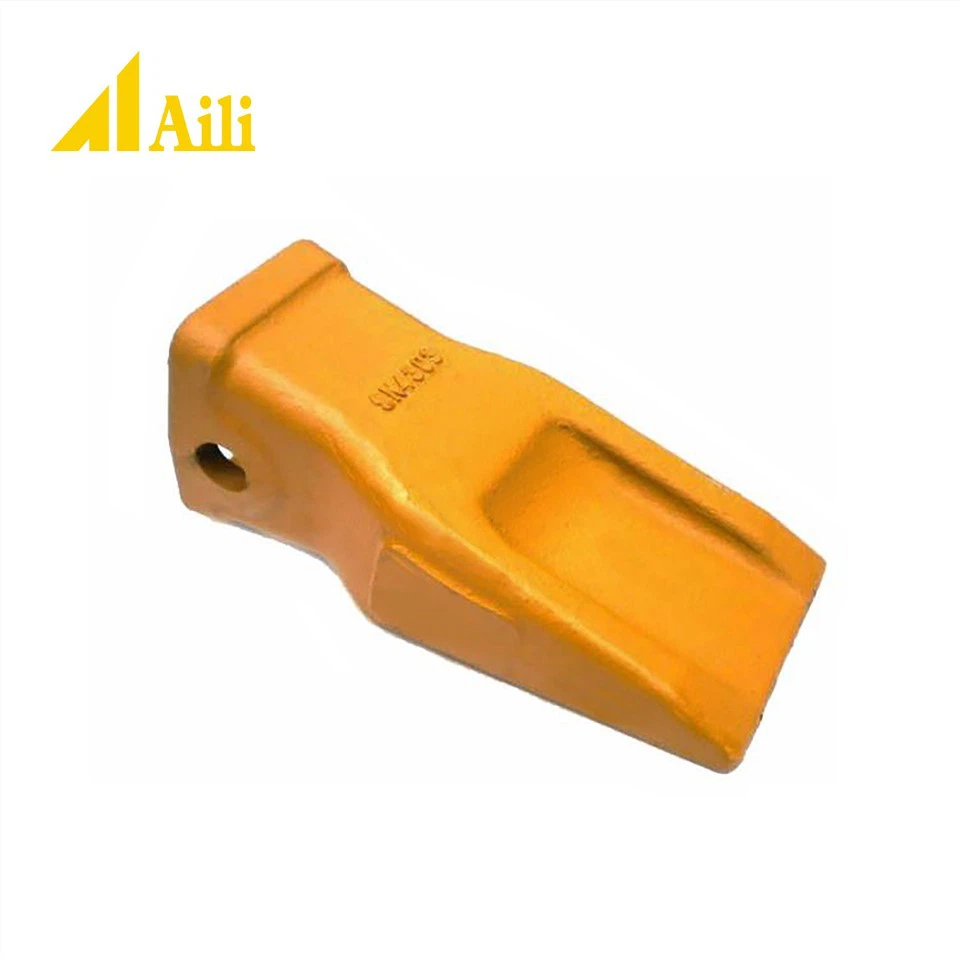

A reliable manufacturer will also invest in research and development to improve the design and performance of their rock chisel tips. They will use advanced manufacturing techniques and quality control measures to ensure that each tip meets the highest standards. For example, some manufacturers use computer - aided design (CAD) and computer - numerical - control (CNC) machining to produce rock chisel tips with precise dimensions and geometries.
Examples of Our High - Quality Rock Chisel Tips
As a rock chisel tip supplier, we offer a wide range of high - quality products suitable for precision work. Our 9N4303HD Abrasion Teeth are made from high - quality carbide, providing excellent wear resistance and sharpness. They are ideal for precision tasks such as carving and detailed stonework.
Our 6Y0352 Excavator Bucket Tooth 977,D5, D6,D7,983 Ripper Teeth are designed with a precise geometry to ensure accurate cuts. They are suitable for a variety of precision applications in the construction and mining industries.
We also offer the 1U3352PT, which is a versatile rock chisel tip with a well - balanced size and weight. It can be used for both general chiseling and precision work.
Conclusion
Determining if a rock chisel tip is suitable for precision work requires careful consideration of several factors, including material quality, tip geometry, size and weight, compatibility with tools, and manufacturer reputation. By taking these factors into account, you can choose the right rock chisel tip for your specific precision tasks.
If you are interested in our high - quality rock chisel tips or have any questions about which tip is best for your precision work, please feel free to contact us. We are more than happy to assist you in finding the perfect solution for your needs.
References
- Engineering Materials Handbook: Properties, Selection, and Applications. ASM International.
- Fundamentals of Machining and Machine Tools. Anthony A. Schmitz, et al.
- Stone Masonry Handbook. Traditional Building Skills.