

How do bucket teeth perform in rocky soil?
Jan 15, 2026
Hey there! I'm a supplier of bucket teeth, and today I want to chat about how these essential tools perform in rocky soil. If you've ever worked in construction, mining, or any heavy - duty industry that involves digging in rocky areas, you know how important it is to have the right bucket teeth.
First off, let's talk about what makes rocky soil so challenging. Rocky soil is filled with stones, rocks, and hard minerals. These abrasive materials can quickly wear down and damage regular bucket teeth. In rocky conditions, the teeth have to withstand high - impact forces when they first hit the rocks and also deal with continuous abrasion as they dig through the soil - rock mixture.
One of the key factors in a bucket tooth's performance in rocky soil is the material it's made of. High - quality alloy steels are a popular choice. They offer good strength and resistance to wear. For example, some of our premium bucket teeth are crafted from alloys that are heat - treated to enhance their hardness and toughness. This heat - treatment process makes the teeth more resistant to the chipping and cracking that can occur when they come into contact with large, hard rocks.
Another aspect is the design of the bucket teeth. A well - designed tooth can penetrate rocky soil more effectively. Teeth with a sharp tip and a tapered shape tend to have better penetration. Take the 9N4552 Long Tooth for example. Its elongated shape allows it to dig deeper into the soil and break through small rocks more efficiently. The long tip helps to focus the force on a smaller area, increasing the tooth's penetrating power.
When it comes to larger rocks, a stronger and more robust tooth design is required. The 208 - 70 - 14152RC - 1 Komatsu PC400RC Rock Tooth is built like a tank. It's specifically engineered for heavy - duty rocky applications. The tooth has a reinforced base and a wide, flat face that can absorb the high impact forces when it encounters big rocks. This design prevents the tooth from getting damaged easily and ensures a longer service life.
Penetration teeth are also very useful in rocky soil. The 4T4709 Penetration Tooth is a great example. These teeth are optimized for quick and easy penetration into hard materials. They are often used in the initial stages of digging in rocky areas to break up the surface and make it easier for the rest of the bucket to do its job. The pointed tip and streamlined shape of penetration teeth reduce the resistance when going through the rock - filled soil.

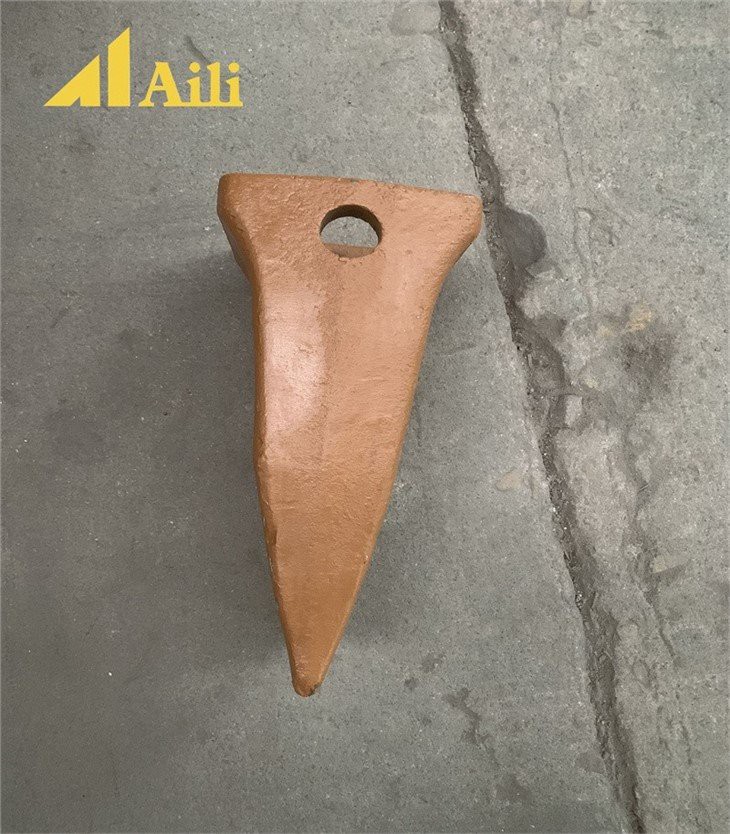
But it's not just about the tooth itself. The connection between the bucket tooth and the adaptor is crucial. A loose or poorly - fitting connection can lead to premature wear and even tooth loss. Our bucket teeth are designed to have a snug fit with the adaptors, using advanced locking systems that keep the teeth firmly in place during operation. This ensures that the teeth can transfer the digging forces efficiently and work to their full potential in rocky soil.
In addition to the design and material, the maintenance of bucket teeth also affects their performance in rocky soil. Regular inspections are a must. Check for signs of wear, such as chipping, cracking, or excessive dulling of the tip. If you notice any damage, it's important to replace the tooth as soon as possible. A damaged tooth not only reduces the efficiency of the digging operation but can also cause further damage to the bucket and other components. Also, keeping the teeth clean can prevent the build - up of dirt and debris, which could otherwise affect the tooth's performance and lifespan.
Now, let's look at the cost - effectiveness. Investing in high - quality bucket teeth might seem expensive at first, but in the long run, it can save you a lot of money. Teeth that are more durable and perform better in rocky soil will need to be replaced less frequently. This reduces the downtime associated with tooth replacement and also lowers the overall cost of ownership. You won't have to worry about constantly purchasing new teeth or dealing with reduced productivity due to worn - out teeth.
Moreover, the performance of bucket teeth in rocky soil can significantly impact the efficiency of your entire operation. If your bucket teeth are struggling to penetrate and break through the rocks, it will take longer to complete the digging task. This means higher fuel consumption, increased labor costs, and a slower project timeline. On the other hand, using the right bucket teeth can speed up the process, making your operations more profitable.
If you're in an industry that requires digging in rocky soil, finding the right bucket teeth is a game - changer. As a bucket teeth supplier, we've spent years researching and developing products that can handle the toughest rocky conditions. We offer a wide range of bucket teeth suitable for different types of rock and soil mixtures. Whether you need long - lasting penetration teeth for initial breakthroughs or heavy - duty rock teeth for large - scale projects, we've got you covered.
If you're interested in learning more about our bucket teeth or want to discuss your specific requirements for working in rocky soil, don't hesitate to reach out. We're here to help you find the best solution for your equipment and improve the efficiency of your operations.
References
- Industry research on heavy - duty excavation tools in rocky environments
- Manufacturer's specifications for bucket teeth materials and designs