

Can long style teeth cause jaw problems?
Dec 08, 2025
Long style teeth, often utilized in heavy - duty machinery like excavators and loaders, play a crucial role in the efficiency and performance of these equipment. However, a question that frequently arises among industry professionals is whether long style teeth can cause jaw problems. In this blog, we'll explore this topic in depth, backed by scientific knowledge and industry experience, especially as a long - style teeth supplier.
The Function and Design of Long Style Teeth
Long style teeth are engineered to penetrate hard materials more effectively. Their elongated shape allows for greater reach into the ground or other substances being excavated. This design is particularly useful in mining, construction, and quarrying operations where tough materials such as rocks, hard soil, and gravel need to be broken up.
For instance, the 9W1453 Abrasion Teeth are a prime example of long - style teeth designed for high - abrasion environments. These teeth are made from high - quality materials that can withstand the wear and tear of continuous use in harsh conditions. Their long shape helps in digging deeper and breaking through hard layers more efficiently.
Jaw Mechanics in Heavy - Duty Equipment
Before delving into whether long style teeth can cause jaw problems, it's essential to understand the basic mechanics of the jaw in heavy - duty equipment. The jaw, or the bucket attachment, is where the teeth are mounted. It is designed to open and close, allowing the teeth to grasp and break materials. The forces exerted on the jaw during operation are significant, and any imbalance or excessive stress can potentially lead to problems.
The jaw is typically made of strong and durable materials, but it has its limits. The design of the teeth can influence the distribution of forces on the jaw. When the teeth are too long or not properly balanced, it can change the way the forces are transferred from the teeth to the jaw.
Potential Issues Caused by Long Style Teeth
Uneven Force Distribution
One of the main concerns with long style teeth is uneven force distribution. If the teeth are too long, they may penetrate the material too deeply, causing the front part of the jaw to bear a disproportionate amount of the load. This can lead to excessive stress on the front of the jaw, potentially causing cracks or deformation over time.
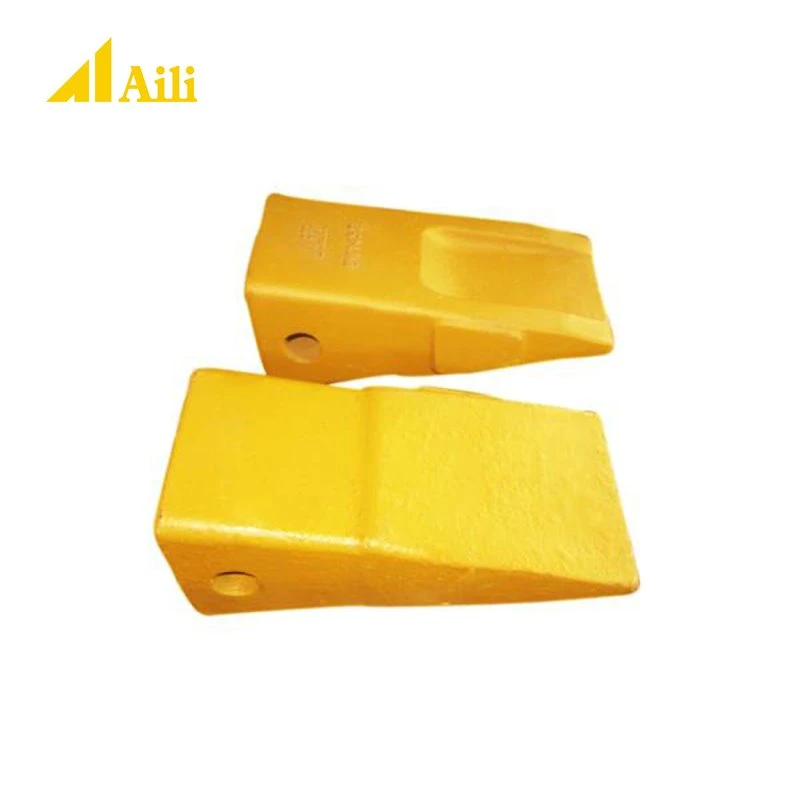

For example, if a long - style tooth like the 2713 - 9037 Bucket Teeth Vertical Adapter For DH280 is not properly aligned or if its length is not suitable for the specific application, it can cause the jaw to experience uneven forces. This can result in premature wear on certain parts of the jaw, reducing its lifespan and performance.
Increased Torque
Long style teeth can also increase the torque on the jaw. As the teeth dig deeper into the material, they create a greater lever arm, which in turn increases the torque required to operate the jaw. This increased torque can put additional stress on the jaw's pivot points and hydraulic systems. If the equipment is not designed to handle this increased torque, it can lead to mechanical failures, such as hydraulic leaks or damage to the pivot pins.
Fatigue and Wear
Continuous use of long style teeth can cause fatigue and wear on the jaw. The repeated impact and stress from the teeth digging into hard materials can gradually weaken the jaw's structure. Over time, this can lead to the development of cracks or other forms of damage. The 138 - 6552 HD Rock Chisel Teeth, while designed for heavy - duty rock - breaking applications, can cause significant wear on the jaw if used without proper consideration of the jaw's capacity.
Mitigating the Risks
Proper Tooth Selection
The key to avoiding jaw problems when using long style teeth is proper tooth selection. It's crucial to choose teeth that are appropriate for the specific application and the equipment's capabilities. This includes considering factors such as the material being excavated, the size and strength of the jaw, and the operating conditions.
As a long - style teeth supplier, we can provide expert advice on tooth selection. We have a wide range of long - style teeth, each designed for different applications. By understanding your specific needs, we can recommend the most suitable teeth to minimize the risk of jaw problems.
Regular Maintenance and Inspection
Regular maintenance and inspection of the equipment are also essential. This includes checking the alignment of the teeth, the condition of the jaw, and the hydraulic systems. Any signs of wear or damage should be addressed immediately to prevent further problems.
Conclusion
In conclusion, long style teeth can potentially cause jaw problems if not used correctly. Uneven force distribution, increased torque, and fatigue and wear are some of the main issues that can arise. However, by selecting the right teeth for the application and conducting regular maintenance, these risks can be effectively mitigated.
As a long - style teeth supplier, we are committed to providing high - quality products and expert advice to our customers. We understand the importance of ensuring that our teeth not only perform well but also do not cause any damage to the equipment. If you are interested in purchasing long - style teeth or have any questions about their use, we encourage you to contact us for a detailed discussion. Our team of experts is ready to assist you in making the best choices for your heavy - duty equipment.
References
- Manufacturer's manuals for heavy - duty equipment and bucket teeth.
- Industry research on the performance and durability of long - style teeth.
- Case studies on the impact of tooth design on jaw performance in heavy - duty machinery.