

Can I use an electric toothbrush on forged teeth?
Sep 09, 2025
Hey there! As a forged teeth supplier, I often get asked all sorts of questions about using different tools with forged teeth. One question that pops up quite a bit is, "Can I use an electric toothbrush on forged teeth?" It might seem like a bit of an odd question at first, but it's actually a valid concern, especially for those who are new to dealing with forged teeth.
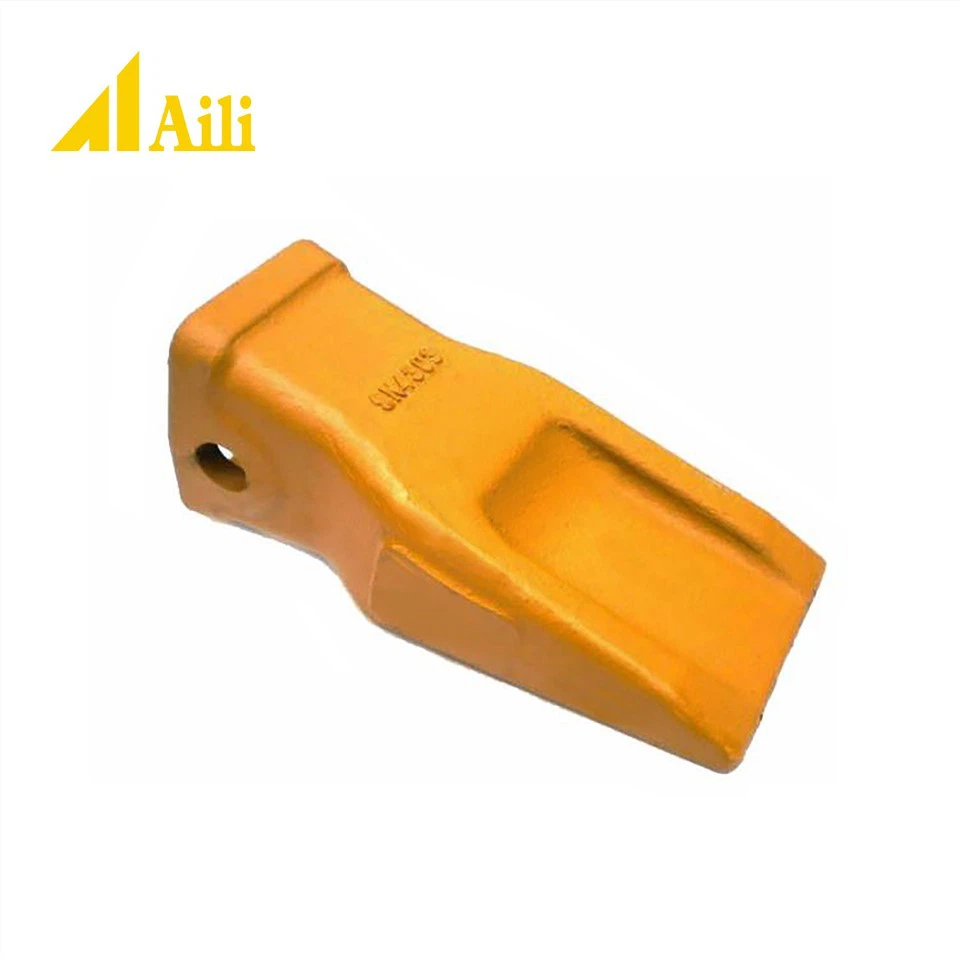
Let's start by understanding what forged teeth are. Forged teeth are made through a process called forging, which involves shaping metal by applying pressure. This process makes the teeth strong and durable, perfect for heavy - duty applications like in construction equipment, mining machinery, and more. We offer a wide range of forged teeth, such as the 9N4303HD Abrasion Teeth, 1U3352RCK Casting Teeth, and Caterpillar J250 1U3252WTL Tooth. These teeth are designed to withstand a lot of wear and tear, but that doesn't mean they're indestructible.
Now, back to the question of using an electric toothbrush on forged teeth. First off, we're not talking about the kind of toothbrush you use for your own teeth. An electric toothbrush in this context could be a high - powered, industrial - grade cleaning tool. In some cases, using an electric toothbrush for cleaning forged teeth can be a good idea.

One of the main benefits of using an electric toothbrush on forged teeth is the efficiency of cleaning. Electric toothbrushes can provide a more consistent and powerful cleaning action compared to manual methods. They can get into small crevices and remove dirt, debris, and rust more effectively. This is especially important for forged teeth that are used in dirty and harsh environments. For example, if your forged teeth are used in a mining operation, they're going to get covered in all sorts of grime. An electric toothbrush can help you quickly and thoroughly clean them, which can extend their lifespan.
However, there are also some potential drawbacks to using an electric toothbrush on forged teeth. The high - speed vibrations of an electric toothbrush can sometimes cause damage to the surface of the forged teeth. If the toothbrush is too powerful or if it's used in the wrong way, it could scratch or chip the teeth. This is particularly a concern for teeth that have a precision - engineered surface. For instance, some forged teeth are designed with a specific shape and smoothness to optimize their performance. Any damage to this surface could affect how well the teeth work.
Another thing to consider is the type of electric toothbrush you use. Not all electric toothbrushes are created equal. You need to choose one that is suitable for the size and material of your forged teeth. A toothbrush that is too small might not be able to clean the teeth effectively, while one that is too large could be difficult to maneuver. Also, make sure the bristles of the toothbrush are made of a material that won't cause damage to the forged teeth. Soft - bristled brushes are generally a safer option, but they might not be as effective at removing tough dirt.
Before you start using an electric toothbrush on your forged teeth, it's a good idea to do a test on a small, inconspicuous area of the tooth. This will allow you to see how the tooth reacts to the cleaning process. If you notice any signs of damage, such as scratches or discoloration, you might need to adjust your cleaning method or choose a different toothbrush.
In addition to the cleaning process itself, you also need to think about the frequency of cleaning. Over - cleaning with an electric toothbrush can also be a problem. Just like with over - brushing your own teeth, too much cleaning can cause wear and tear on the forged teeth. You should establish a regular cleaning schedule based on how dirty the teeth get and how often they're used. For teeth that are used in a very dirty environment, you might need to clean them more frequently, but still make sure not to overdo it.
When it comes to maintaining forged teeth, cleaning is just one part of the equation. You also need to take care of them in other ways. For example, proper lubrication can help reduce friction and wear on the teeth. Make sure to use the right type of lubricant for your forged teeth. Also, store the teeth in a dry and clean place when they're not in use. Moisture can cause rust and corrosion, which can significantly reduce the lifespan of the teeth.
If you're still not sure whether using an electric toothbrush on your forged teeth is the right choice, don't hesitate to reach out for advice. As a forged teeth supplier, we have a lot of experience dealing with different types of teeth and cleaning methods. We can help you determine the best way to clean and maintain your forged teeth to ensure they last as long as possible.
In conclusion, using an electric toothbrush on forged teeth can be a viable option for cleaning, but it comes with both benefits and risks. You need to weigh these factors carefully and take the necessary precautions to avoid damaging the teeth. By doing so, you can keep your forged teeth in top - notch condition and get the most out of your investment.
If you're interested in purchasing high - quality forged teeth or have any questions about their maintenance, feel free to get in touch. We're here to help you find the right products and solutions for your needs. Whether you're in the construction, mining, or any other industry that requires forged teeth, we've got you covered.
References
- General knowledge about forged teeth manufacturing and maintenance
- Industry - specific guidelines on cleaning and caring for heavy - duty equipment parts