

Can dirt bucket teeth be sharpened?
Jun 18, 2025
Hey there! As a supplier of dirt bucket teeth, I often get asked a bunch of questions about these essential pieces of equipment. One question that pops up quite a bit is, "Can dirt bucket teeth be sharpened?" Well, let's dive right into it and find out.
First off, let's understand what dirt bucket teeth are for. These bad boys are attached to the edge of a bucket on heavy - duty machinery like excavators, loaders, and bulldozers. Their main job is to break through and scoop up all kinds of materials, from soft dirt to hard rock. Over time, though, they can get dull. Just like your kitchen knife after a few months of use, dirt bucket teeth lose their sharpness due to constant abrasion against tough materials.
Now, to answer the big question: yes, dirt bucket teeth can be sharpened. But it's not as simple as just grabbing a whetstone and going to town. There are a few factors to consider.
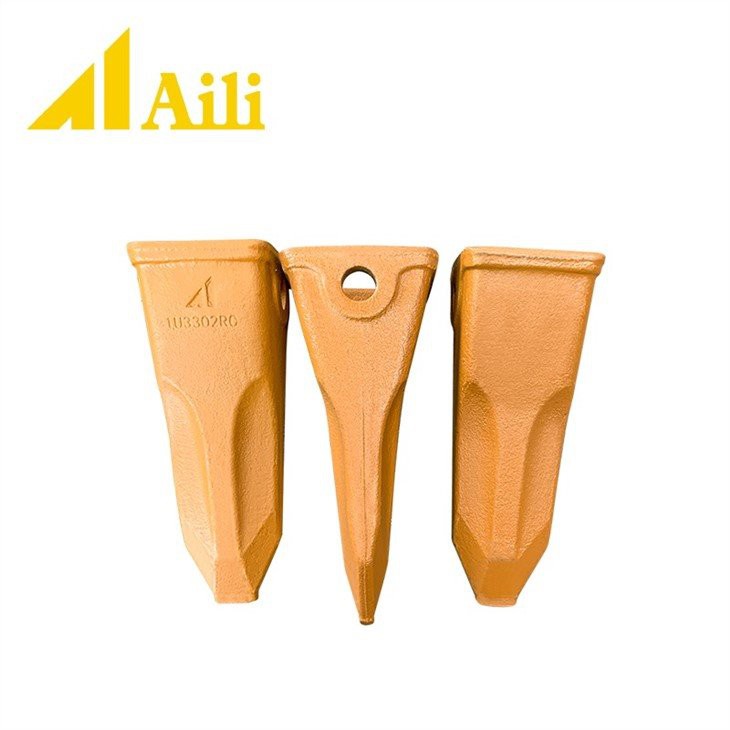
The type of material the bucket teeth are made of plays a huge role. Most dirt bucket teeth are made from high - strength steel alloys. These alloys are designed to be tough and resistant to wear, but they also require specific sharpening methods. For instance, some of our 1U3302RC J300 Rock Chisel Tooth are crafted from a special alloy that can withstand the impact of hitting rocks. When it comes to sharpening these, you need to use a grinder with the right grit and speed. A too - coarse grit might damage the tooth's surface, while a too - fine grit could take forever to make a difference.
Another thing to think about is the shape of the tooth. Different bucket teeth have different shapes, and each shape has its own optimal sharpness profile. For example, the IU1877 Loader Teeth For Caterpillar J300 has a unique design that is optimized for loading materials efficiently. Sharpening it incorrectly could throw off its performance. You need to make sure that the cutting edge maintains the right angle and curvature. If the angle is too steep, the tooth might break more easily when it hits hard objects. If it's too shallow, it won't penetrate the material effectively.
The condition of the tooth also matters. If a tooth is severely worn or damaged, sharpening might not be the best solution. Sometimes, the wear is so extensive that there's not enough material left to reshape it properly. In such cases, it's usually better to replace the tooth altogether. We offer a wide range of replacement teeth, like our Tiger Long Teeth 9W8552TL - YZ, which are built to last and perform at their best right out of the box.
Let's talk about the actual sharpening process. There are two main ways to sharpen dirt bucket teeth: on - site and off - site.
On - site sharpening is convenient, especially if you're in the middle of a project and can't afford to take the equipment out of commission for too long. You can use a portable grinder to quickly touch up the teeth. However, this method requires some skill. You need to be careful not to overheat the tooth, as excessive heat can change the metal's properties and make it more brittle. It's also important to keep the grinder steady and maintain a consistent angle.
Off - site sharpening, on the other hand, is more precise. You can take the teeth to a professional sharpening service. These guys have the right tools and expertise to ensure that the teeth are sharpened to the exact specifications. They can also inspect the teeth for any hidden damage and recommend the best course of action.
So, why should you bother sharpening your dirt bucket teeth? Well, there are a few good reasons. First of all, sharp teeth are more efficient. They can penetrate materials more easily, which means your equipment can work faster and use less fuel. This can save you a lot of money in the long run. Second, sharp teeth put less stress on the equipment. When the teeth are dull, the machine has to work harder to break through the material, which can lead to premature wear and tear on other parts.
But don't just take my word for it. Many of our customers have seen the benefits of keeping their bucket teeth sharp. One construction company reported a 15% increase in productivity after they started regularly sharpening their teeth. Another mining operation noticed a significant reduction in fuel consumption.
If you're interested in learning more about dirt bucket teeth, whether it's about sharpening, choosing the right type, or replacement options, we're here to help. We've been in the business for years, and we know our stuff. We can provide you with all the information you need to make the best decisions for your equipment.
Whether you're a small contractor or a large - scale mining company, having the right dirt bucket teeth is crucial for your operations. And if you're looking for high - quality, reliable bucket teeth, we've got you covered. Our products are designed to meet the toughest challenges in the industry.
So, if you're ready to take your equipment's performance to the next level, get in touch with us. We'd love to have a chat with you about your specific needs and how we can help you find the perfect dirt bucket teeth solutions. Whether it's sharpening advice, replacement teeth, or just general information, we're here for you.

References:
- Industry knowledge and experience in the dirt bucket teeth supply business.
- Customer feedback and case studies from various construction and mining projects.