

Are there different types of dirt bucket teeth?
Jun 20, 2025
Hey there! As a supplier of dirt bucket teeth, I often get asked if there are different types of these teeth. Well, the answer is a big yes! In this blog, I'm gonna break down the various types of dirt bucket teeth, their features, and where they're best used.
The Basics of Dirt Bucket Teeth
First off, let's understand what dirt bucket teeth are for. They're an essential part of heavy - duty equipment like excavators, loaders, and bulldozers. These teeth are attached to the bucket of the machine and are used to dig, break, and move all sorts of materials, from soft soil to hard rock.
Different Types of Dirt Bucket Teeth
Standard Chisel Teeth
Standard chisel teeth are probably the most common type out there. They have a sharp, pointed tip that's great for penetrating soft to medium - hard soils. These teeth are designed to cut through the material easily, reducing the amount of force needed by the machine. They're often used in general excavation work, like digging trenches, moving dirt around construction sites, or landscaping projects.
For example, if you're working on a small - scale construction site where you're mainly dealing with loose soil and sand, standard chisel teeth will do the job just fine. They're relatively inexpensive and easy to replace, which makes them a popular choice for many contractors.
Blunt Teeth
Blunt teeth, as the name suggests, have a flat or rounded tip. These teeth are better suited for heavy - duty applications where you need to break up hard, compacted materials. They distribute the force over a larger area, which helps prevent the teeth from getting damaged when hitting hard rocks or frozen ground.
Let's say you're working on a demolition site where you need to break up concrete slabs or large rocks. Blunt teeth would be your go - to option. They can withstand the high impact forces and keep working efficiently.
Rock Teeth
Rock teeth are specifically designed for the toughest jobs. They're made from high - strength materials like hardened steel or alloy, which can handle the extreme wear and tear when working with hard rock. These teeth have a more robust design, often with reinforced shanks and tips.
If you're in the mining industry or working on a quarry, rock teeth are essential. They can break through solid rock formations without wearing down quickly. For instance, the 168 - 1359 Casting Rock Chisel Teeth are a great example of high - quality rock teeth. They're built to last and can handle the harsh conditions of rock - breaking operations.
Long Teeth
Long teeth are used when you need to dig deeper or reach into tight spaces. They have an extended length, which allows them to penetrate further into the material. These teeth are commonly used in deep excavation projects, like digging foundations for large buildings or mining operations where you need to reach deeper layers of soil or ore.
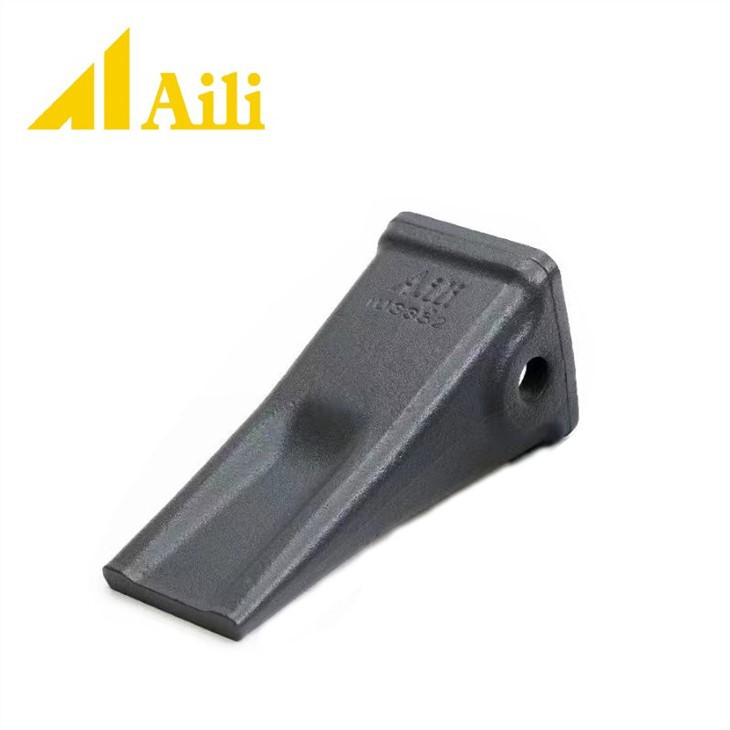
The 1U3352 Caterpillar J350 Long Tooth is a great option for those who need long - lasting and effective long teeth. They're designed to fit specific Caterpillar equipment and provide excellent performance.
Adapter Teeth
Adapter teeth are used to connect the bucket teeth to the bucket. They come in different shapes and sizes to fit various types of buckets and teeth. Adapters are crucial because they ensure a secure and stable connection between the tooth and the bucket, which is essential for efficient operation.
For example, the 1U0257 Adapter For Caterpillar J250 Or E312 is a specific adapter that's designed to fit Caterpillar J250 or E312 buckets. Using the right adapter ensures that the teeth work properly and don't come loose during operation.

Factors to Consider When Choosing Dirt Bucket Teeth
Material of the Teeth
The material of the teeth is crucial. As I mentioned earlier, for hard - rock applications, you'll need teeth made from high - strength materials like hardened steel or alloy. For softer materials, standard steel teeth may be sufficient.
Compatibility with Equipment
It's essential to choose teeth that are compatible with your equipment. Different machines have different bucket designs, and you need to make sure the teeth you choose fit properly. Using the wrong teeth can lead to poor performance and even damage to your equipment.
Cost
Cost is always a factor. While high - quality teeth may cost more upfront, they can save you money in the long run by lasting longer and reducing downtime. You need to balance the cost with the performance and durability of the teeth.
Why Choose Our Dirt Bucket Teeth
As a supplier, I can tell you that our dirt bucket teeth are top - notch. We offer a wide range of teeth, from standard chisel teeth to heavy - duty rock teeth. All our teeth are made from high - quality materials, ensuring durability and performance.
We also have a team of experts who can help you choose the right teeth for your specific needs. Whether you're a small - scale contractor or a large mining company, we've got the teeth to fit your requirements.
Contact Us for Your Dirt Bucket Tooth Needs
If you're in the market for dirt bucket teeth, don't hesitate to get in touch. We're here to help you find the perfect teeth for your equipment and your job. Whether you have questions about the different types of teeth or need a quote, just reach out.
Let's work together to get your excavation projects done efficiently and effectively.
References
- Industry standards for heavy - duty equipment attachments
- Manufacturer specifications for dirt bucket teeth